Topic: Steel Tariffs

6 chapters across the catalog

Donald Trump announced that tariffs on foreign drugs, steel, aluminum, and lumber are intended to force the return of manufacturing to the United States. He claimed that over $7 trillion has been invested in the country since his announcement, contrasting this with the lack of investment under previous leadership. The administration aims to make the U.S. self-sufficient in critical industries.

The European Union faces an economic crisis following the destruction of the Nord Stream pipeline and the subsequent doubling of energy prices. Despite these internal struggles, EU leadership is preparing countermeasures against U.S. steel tariffs. Critics argue that the EU's complaints about "protectionism" ignore their own history of imposing massive tariffs on American goods while benefiting from U.S. market access.

The U.S. manufacturing sector added 155,000 jobs in March, exceeding expectations as Trump prepares to unleash "Liberation Day" tariffs. Trump's strategy is described as "range finding," using fluctuating tariffs to negotiate better trade terms and protect the American steel and auto industries. These policies have reportedly resulted in over $8 trillion in pledged investments into the U.S. economy.

A 25% tariff on aluminum and steel is expected to reinvigorate the American "Rust Belt," including cities like Pittsburgh. Meanwhile, the "Japanese yen carry trade," which has financed global growth for decades, is reportedly collapsing as yen yields rise. This shift could lead to a global economic slowdown, but the host believes it will ultimately benefit America as it becomes the new "financing arm" of the world.

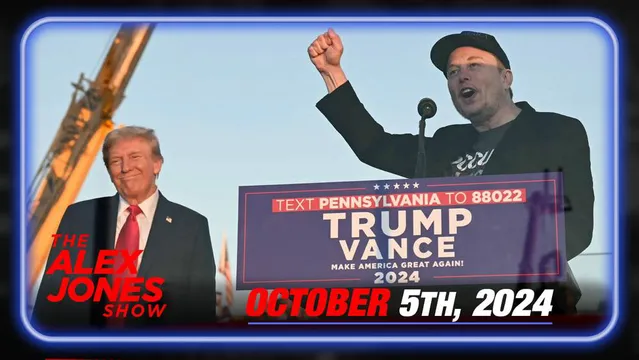
President Donald Trump Returns to Butler, Pennsylvania For Historic Rally 3 Months After Assassination Attempt
3:19:40 - 3:23:55

President Donald Trump Returns to Butler, Pennsylvania For Historic Rally 3 Months After Assassination Attempt

Manufacturing Renaissance, Reciprocal Trade Act

Donald Trump details his plan for a "manufacturing renaissance," including a 15% corporate tax rate for companies that make their products in America. He promises to use tariffs to protect domestic industries and proposes the Reciprocal Trade Act to match the taxes charged by foreign nations. Trump also expresses opposition to the sale of U.S. Steel to a Japanese company, vowing to keep the iconic firm under American ownership.