• 1:55:42 - 1:59:54
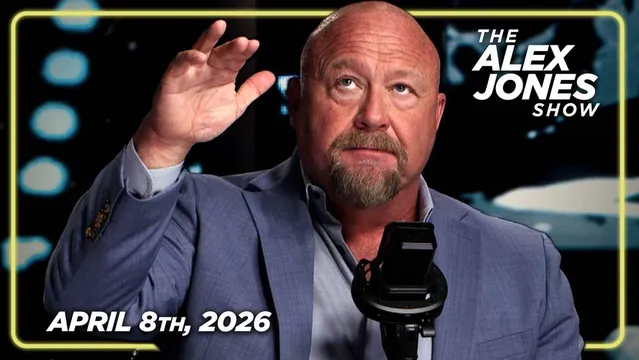
MUST-WATCH WEDNESDAY FULL SHOW: Trump Capitulated To Iran To Open The Strait of Hormuz, Enraging Israeli Warhawks! Meanwhile, The Ceasefire Has Already Fallen Apart As The Black Hole Of War Widens, Threatening The Entire Planet! In A Powerful Message To The World, Renowned Author & Talkshow Host, Michael Savage, Warns Israel Is Going To Attack Iran With Nuclear Weapons Soon! FINALLY, Owen Benjamin- The Wizard Slayer- Joins Infowars To Reveal How To Break The Spells Cast On Humanity By The NWO! This Is An Absolute Must-Watch/Share Edition Of The Alex Jones Show! — 4/8/26
Iran Oil Field Bombings, JD Vance Back Channel
Alex Jones reports that 200 F-35 fighters have been bombing Iranian oil fields, signaling the total disintegration of the ceasefire. He reveals that JD Vance used a back channel through Pakistan to negotiate with Iran, but the resulting deal was a "capitulation" that angered neocons and the Israel lobby. Jones asserts that the Iranians can keep the Strait of Hormuz closed indefinitely without regime change.