Topic: Media Industrial Complex

5 chapters across the catalog

Chase Geyser critiques the lack of public understanding regarding the current military operations against Iran. He compares the situation to the justifications used for the wars in Afghanistan and Iraq, suggesting the "media industrial complex" has failed to provide a clear casus belli. Geyser warns that the next 36 weeks are critical for stopping an irreversible global catastrophe.
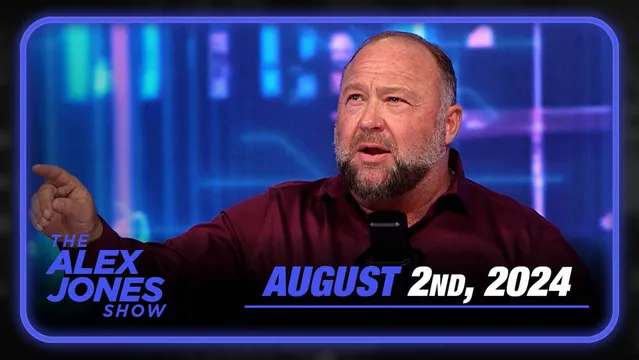
Royce White describes a tripartite system of control involving the military, medical, and media industrial complexes. He states that none of his children have been vaccinated and emphasizes the importance of informed consent and parental authority. Referencing Steve Bannon, White rejects the "conspiracy theorist" label, preferring "conspiracy analyst," and argues that the true conspiracy is the use of entertainment to distract the public.

Vivek Ramaswamy and Jesse Watters discuss how the government's refusal to be transparent erodes public trust, comparing the situation to the "you can't handle the truth" scene from *A Few Good Men*. They argue that Donald Trump's appeal lies in his status as an outsider who is willing to speak uncomfortable truths. Jones emphasizes that the public is "sick and tired" of the media industrial complex covering for government failures.

The conversation focuses on the "permanent bureaucracy" in Washington D.C., which Dowd's father referred to as the "residents" while elected officials are "summer help." They discuss how the military, intelligence, and medical industrial complexes use the "color of law" to consolidate power. The host emphasizes the need for alternative platforms to bypass the "manufactured consent" created by corporate media and paid influencers.

UK Government Confirms Covid Shots Have Killed MILLIONS As Secret CCP Military Bases Discovered Across US
1:10:52 - 1:13:39

UK Government Confirms Covid Shots Have Killed MILLIONS As Secret CCP Military Bases Discovered Across US

Corporate Media Control, Uncensorable Information

WikiLeaks is described as a pioneer in using the internet's architecture to bypass corporate media gatekeepers and advertisers. By operating without traditional revenue streams, the organization remained immune to the pressures that typically silence investigative journalists. This independence made Assange a primary target for the military-industrial complex, which fears any form of genuine transparency.