Topic: Influencers

79 chapters across the catalog

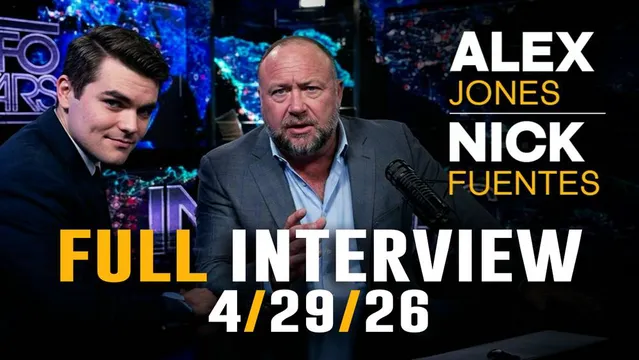
FULL NEW ALEX JONES INTERVIEW WITH NICK FUENTES — 4/29/26
15:39 - 19:33

FULL NEW ALEX JONES INTERVIEW WITH NICK FUENTES — 4/29/26

Pro-Trump Influencers, Laura Loomer Deception Claims

Pro-Trump influencers are accused of being paid under the table by PACs and Israeli interests to smear critics of the war in Iran. Laura Loomer is specifically singled out as a "mercenary attack dog" who is allegedly divorced from reality and feeds misinformation to her audience. These influencers are described as hindering the right wing by prioritizing mercenary interests over the truth.

The hosts discuss how social media influencers often coordinate their messaging based on directives from political communications directors. A specific example is cited where influencers tweeted in concert about "The Ballroom" following a security incident, leading to conspiracy theories about the event's authenticity. Dice argues that these influencers are often seeking access and "conservative celebrity" status rather than conducting independent analysis.

Traditional cultural events like the Oscars and Grammys are seeing historical lows in viewership as the public experiences "Hollywood fatigue." Mark Dice argues that celebrities no longer hold the same power over the cultural narrative, leading to an "influencer infiltration" where management agencies push social media stars to fill the void. This shift is seen as a loss of power for the established political and social structure that relied on celebrity endorsements.

Alex Jones clarifies that his previous comments about the 25th Amendment were hyperbolic and intended to get Donald Trump's attention regarding "total war" policies. Viva Frei discusses the concept of "audience capture" and the importance of pundits remaining true to their beliefs rather than catering to their followers. They emphasize that respected leaders influence through the quality of their thought, not by seeking popularity.

Harrison Smith warns that the Democratic Party is becoming increasingly radicalized while Donald Trump fails to take decisive action against his political enemies. He criticizes the administration for not pursuing mass deportations or stripping citizenship from those who entered illegally. Smith argues that Trump's rhetoric pisses off the left without actually "crushing" their power structures.

Harrison Smith discusses how the Israeli government allegedly vets potential U.S. administration officials to ensure they align with pro-war interests. Joe Kent's position in the government is described as a "failure of the Israeli vetting process" because he was willing to dissent. The interview aims to show that the Iran war is a trap that Donald Trump has fallen into, rather than an attack on the president himself.

Joe Kent discusses how AIPAC and the Israeli government allegedly vet U.S. officials for loyalty, often using dual citizens to liaise with the White House. He argues that the U.S. has failed to realize that Israel is a foreign country with its own strategic goals that often differ from American interests. Kent suggests that the U.S. must reassert itself as the dominant partner in the relationship.

Joe Kent expresses openness to a third-party or nonpartisan political movement focused on ending foreign influence and endless wars. He recently appeared on "The Young Turks" to discuss how the left and right can align on these specific issues despite other disagreements. Kent believes this "white pill" of alternative media can force politicians to address the concerns of the base.

Tommy Robinson details the formation of "Unite the Kingdom," an alliance of fifteen major UK influencers including Katie Hopkins and Lawrence Fox. The group identified five core points to fight for: free speech, traditional culture, and opposition to the sexualization of children and radical Islam. By working together, Robinson argues they can achieve a greater reach than the BBC and effectively counter mainstream media propaganda.

Steve Deace recounts a meeting where conservative influencers were brought to the White House and given Epstein files that contained mostly public information. He criticizes Attorney General Pam Bondi for allegedly "auditioning" for a Fox News role rather than pursuing real prosecutions. The segment highlights the tension between the GOP's donor class and its grassroots base regarding the exposure of elite pedophilia.

Alex Jones delivers a monologue on the nature of the "globalist war" on humanity, rejecting the label of "influencer" in favor of being a "warrior" and "philosopher." He argues that modern influencers use rhetoric without logic, whereas his work is based on studying history and understanding COINTELPRO-style psychological operations. The segment emphasizes the need for "maximum urgency" in using truth to combat the perceived evil of the New World Order.

A conflict of interest is noted between American patriots and Muslim influencers who oppose Israel based on ethnic or religious kinship. Some influencers are accused of promoting "third worldist" or anti-Western sentiments that seek to restrain American technological and global power. The "America First" position is defined as prioritizing U.S. interests, even if it involves interventions in places like Venezuela.

A pro-Chinese government influencer is advising Americans to create databases of homes displaying American flags to identify "enemies" during a potential civil war. The influencer suggests these homes are the best locations to procure weapons and resources during a revolution. Jones links this strategy to Maoist tactics and claims it is part of a broader effort to break American sovereignty.

An unidentified speaker defends Alex Jones' use of theatricality and "screaming" as necessary tools to capture the attention of a "dumbed-down" society. The speaker praises Jones' ability to retain and recall specific dates and reports from decades ago, describing his pattern recognition as "uncanny." Jones himself rejects the label of "influencer," preferring to be called a philosopher, historian, and pioneer.

The Trump administration's national security strategy, co-authored by Elbridge Colby, focuses on "spheres of influence" and resource realism. This plan advocates for getting out of the "Europe management business" and de-prioritizing the Middle East to focus on domestic stability and containing China. Trump is urged to follow the advice of JD Vance and Tulsi Gabbard rather than neoconservative holdovers.