Topic: Cinematography

7 chapters across the catalog

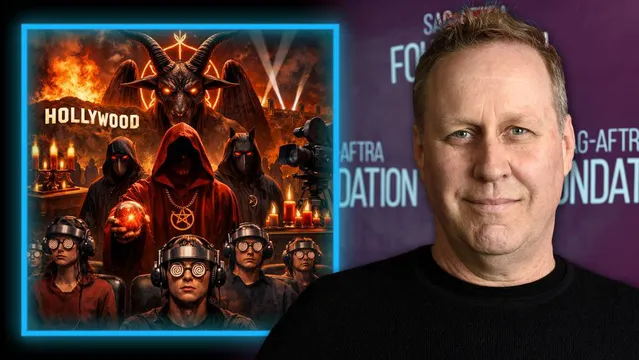
The conversation shifts to the technical differences between physical film stock and digital filmmaking. Roger Avary argues that the cost and limitations of 35mm film forced a level of discipline and "soul" into the work that is often missing in disposable digital productions. They discuss the rotoscoping process used in Waking Life and A Scanner Darkly, noting the "hand of man" present in every frame.


POWERFUL: Stealth Fighting With JP Sears And Mikki Willis
1:46 - 6:10

POWERFUL: Stealth Fighting With JP Sears And Mikki Willis

Mickey Willis and JP Sears, Plandemic The Musical Premiere

Mickey Willis and JP Sears join the studio to discuss the upcoming premiere of "Plandemic: The Musical" in Austin, Texas. The production is described as a high-budget passion project designed to reclaim art and music from divisive mainstream messaging. Willis explains the creative choice of a musical format to contrast the "doom and gloom" of current global events with a colorful, celebratory spectacle.

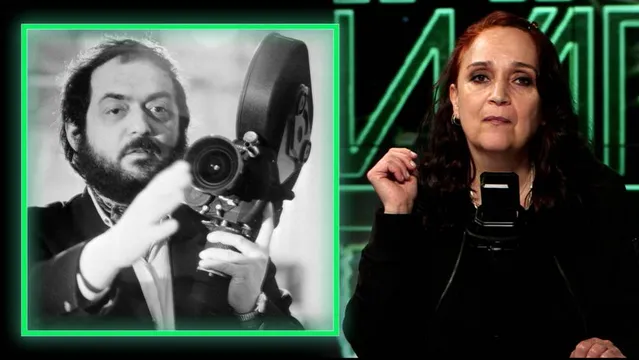
Alex Jones and Vivian Kubrick analyze the iconic "monolith" scene from 2001: A Space Odyssey. They marvel at the film's visionary cinematography, noting that the special effects created in the 1960s still hold up against modern digital technology. The scene is described as a metaphysical depiction of humanity reaching for the next level of consciousness.

Vivian Kubrick addresses the persistent conspiracy theory that her father faked the Apollo moon landings. She states categorically that the claims are a "grotesque lie," citing her father's intense work schedule on 2001: A Space Odyssey and Clockwork Orange during that period. She argues that a man with her father's artistic integrity and anti-establishment views would never have assisted the government in such a betrayal.

The interview explores Stanley Kubrick's unique approach to filmmaking, where he maintained total control over cinematography, lighting, and editing. Vivian describes watching her father edit 2001: A Space Odyssey on a small Movieola, emphasizing that his films were the product of a single man's vision rather than a committee. This meticulousness is cited as the reason his work remains "evergreen."

Daughter Of Stanley Kubrick Tells Never Before Heard Secrets And Exposes How To Save Humanity
14:54 - 18:49

Daughter Of Stanley Kubrick Tells Never Before Heard Secrets And Exposes How To Save Humanity

Stanley Kubrick Filmmaking Process, 2001: A Space Odyssey, and Production Timeline

The discussion highlights Stanley Kubrick's singular vision and his habit of managing every aspect of production, from cinematography to lighting tests. Vivian Kubrick points out the logistical impossibility of faking the moon landing given that her father was occupied with the 1968 premiere of 2001: A Space Odyssey and the immediate 1969 start of A Clockwork Orange. She emphasizes that his small, dedicated crew and 24/7 work ethic left no room for outside government assignments.

The hosts provide a mixed review of Denis Villeneuve's *Dune*, with Tim Pool finding it "sterile" and "redundant," while Mike Cernovich praises its "immersive" and "psychedelic" cinematography. They discuss the spiritual archetypes in the film, such as the Sardaukar chanting and the desert landscapes. The host mentions plans to record his own version of the Sardaukar chant music.