Topic: Tax Cuts

35 chapters across the catalog

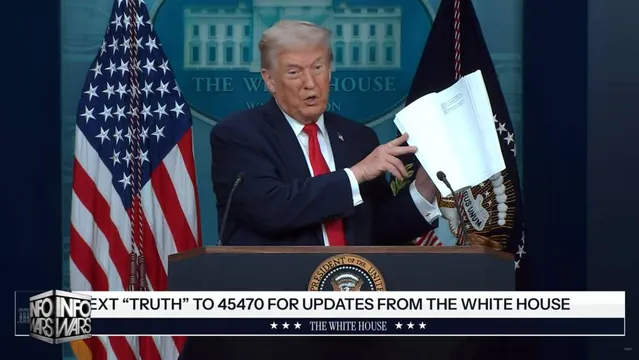
Donald Trump details tax policy changes, including the elimination of taxes on tips, Social Security, and overtime. He introduces a tax deduction for interest on car loans, specifically for vehicles built within the United States to encourage domestic manufacturing. Trump also claims to have slashed the federal budget deficit by 27% in a single year.

The government shutdown is dismissed as "political posturing" by Chuck Schumer, though it has successfully allowed Trump to cut NGO funding and implement welfare reforms. Listeners begin calling in to discuss the "Big Beautiful Bill," which included significant tax cuts and immigration enforcement funding. The segment transitions into a Q&A session with the audience on topics ranging from the Quran to the Charlie Kirk investigation.

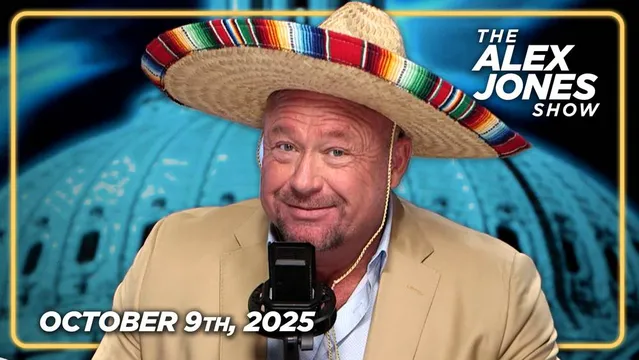
A clip of Hakeem Jeffries debating tax cuts and the SALT cap is played, with the host providing mocking commentary. The segment devolves into studio banter as crew members attempt to win a $1,000 prize by landing a sombrero on the host's head. The host jokes about his "Hitler mustache" social experiment from the previous week and compares his bone structure to historical German figures while maintaining a populist ideology.

Jones and a caller discuss Donald Trump's "2.0" strategy, which involves being two steps ahead of globalist insurrectionists. They claim the administration is preparing massive indictments against deep state actors and that the current deployment of the National Guard is a preemptive move to maintain order during these legal actions.

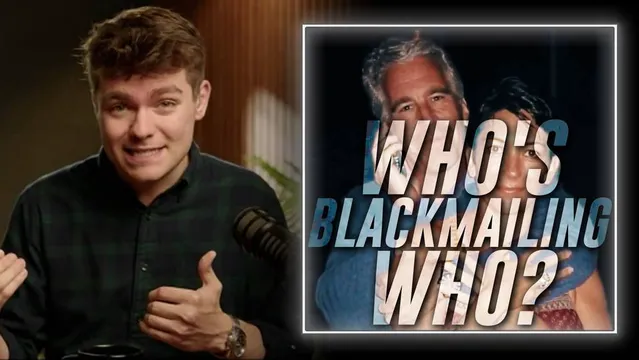
Nick Fuentes critiqued the first six months of Trump's second term, noting that despite more experienced personnel, the legislative focus remains on corporate tax cuts and "targeted" enforcement rather than populist wins. He compared the current situation to the first term's reliance on establishment figures like Paul Ryan. Fuentes expressed exhaustion with the "trust the plan" rhetoric used by Trump surrogates to excuse policy compromises.

Congress is criticized for using "hostage negotiations" by bundling essential policies like border security and tax cuts into massive, complex bills. Principled conservatives express frustration that they must vote for bloated legislation to avoid tax increases or open borders. There is a call for a shift toward single-item reconciliation bills to prevent the government from holding citizens' interests over their heads like an anvil.

The administration is promoting the "Big Beautiful Bill" as the largest middle-class tax cut in history, promising $10,000 back to typical families. However, skeptics argue that the bill feels like "politics as usual" and should have been preceded by the completion of the America First agenda. The difficulty in selling the bill is attributed to the public's fatigue with 1,600-page documents and unfulfilled promises.

Roger Stone concludes his remarks by discussing upcoming "rescission bills" aimed at cutting $98.4 billion from USAID. He acknowledges that while these cuts are smaller than what DOGE identified, they represent a start in "turning around an ocean liner." Stone reiterates that Speaker Mike Johnson has a difficult task managing a slim majority and that the BBB's tax cuts are essential.

President Trump discusses the "Big Beautiful Bill," which includes the largest tax cut in US history and an extension of the debt ceiling. He notes that while he agrees with Elizabeth Warren on eliminating the debt ceiling to avoid default, the current bill provides a necessary four-year extension. Trump claims the bill will prevent a 68% tax increase that would occur if his previous cuts were allowed to expire.

Roger Stone joins the program to analyze the "Big Beautiful Bill," which has faced criticism from Elon Musk and Senator Rick Scott for lacking spending cuts. Stone explains that while the bill contains the largest tax cuts in history, the DOGE-related spending cuts must be handled through separate rescission bills. He warns that failing to renew Trump-era tax cuts would result in a 65% federal tax increase for Americans.

Trump defends his "Big Beautiful Bill" against criticisms from Elon Musk regarding spending levels, explaining the political necessity of securing Republican votes in the House and Senate. He emphasizes that the bill provides the largest tax cut in history and warns that a failure to pass it would result in a 65% tax increase. The President also links the legislation to his efforts to deport millions of illegal aliens and close the border.

House Republicans successfully passed a major tax relief package aimed at the working class, which eliminates various carbon restrictions and IRS expansion plans. Speaker Mike Johnson stated that the Democratic opposition to the bill represents the largest proposed tax increase in American history. The National Republican Congressional Committee (NRCC) claims the vote will lead to the loss of seven million jobs if the Democratic platform prevails.

Roger Stone discusses the ongoing trade war with China and the impact of Trump's 30% tariffs. He also mentions his upcoming book, "Bushwhacked," which investigates the attempted assassination of Ronald Reagan and the redaction of related government documents. Stone notes discrepancies in witness testimony regarding the number of shots fired by John Hinckley Jr. in 1981.

Donald Trump’s visit to Riyadh marks a global realignment where the U.S. moves past warhawks to establish peace and prosperity in the Middle East. Claims are made that USAID and the CIA have historically funded Al-Qaeda and ISIS to destabilize regions, a practice Trump is reportedly ending. Domestically, Trump is promoting a "big beautiful bill" featuring massive tax cuts for the working poor and lower middle class.

A proposal for massive tax cuts for Canadian citizens is discussed as a way to liberate them from an elite globalist system. Mark Carney indicates a commitment to a "step change" in Canadian security investment and a stronger partnership within NATO and NORAD. The strategy involves using U.S. leverage to force deals that benefit both American and Canadian populations.

Donald Trump delivered remarks at the National Day of Prayer event at the White House, emphasizing the return of religion to American public life. He discussed "The Great Big Beautiful Bill," a legislative package featuring the largest tax cuts in history, including the elimination of taxes on tips, overtime, and Social Security.

Clips from Tucker Carlson and Steve Bannon highlight the divide between the "undeserved wealth" of the elite and the working class. Bannon argues for massive tax cuts for the middle class, including no taxes on tips, overtime, or Social Security, while maintaining higher rates for those earning over $1 million. Carlson criticizes figures like Liz Cheney and Larry Fink for benefiting from a rigged system that elevates the incompetent.

Donald Trump calls on Congress to pass permanent income tax cuts, including "no tax on tips," "no tax on overtime," and "no tax on Social Security benefits." He proposes making interest payments on car loans tax-deductible for American-made vehicles to stimulate the domestic auto industry. Trump notes that Honda has already announced a massive new plant in Indiana and claims $5 trillion has been invested in the U.S. since his election.