Topic: Narco Terrorism

8 chapters across the catalog

The Trump administration has designated Mexican drug cartels as foreign terrorist organizations, involving the Department of War in extraction and interdiction efforts. Victor Avila explains that while Mexican President Claudia Sheinbaum is cooperating more than her predecessors, the cartels still maintain a stronghold on the country's power structures. The US is pursuing a strategy of "bilateral or unilateral" action to dismantle these narco-terrorist groups.
Stephen Miller describes Mexican cartels as "narco-terrorists" who use rape and skinning as weapons, arguing for the use of hard American power to stop them. Donald Trump's criticisms of the Somali community in Minnesota are highlighted, focusing on high welfare rates and the alleged corruption of Representative Ilhan Omar.

Patrick Byrne reads portions of Hugo Carvajal's letter, which details how the Venezuelan government coordinated with FARC, ELN, and Hezbollah to flood U.S. cities with narcotics. The letter states that the "Cartel of the Suns" was a deliberate policy to destroy the United States through weaponized drug trafficking.

Donald Trump and Pete Hegseth address the media regarding military strikes against narco-terrorist vessels at sea. Hegseth explains the deliberative process involving JSOC and SOCOM to ensure targets are tied to terrorist organizations. They defend the decision to sink a specific boat to eliminate the threat of fentanyl poisoning, dismissing war crime allegations as "fog of war" misunderstandings by the press.

Donald Trump ordered a military strike on a vessel operated by a narco-terrorist organization in international waters to prevent fentanyl from entering the United States. Senator Marco Rubio confirmed the strike and stated that under the Trump administration, such interdictions will continue as a matter of policy. The administration maintains the legal authority to use force against groups trafficking deadly drugs and potential terrorists.

The Trump administration's strike on a Venezuelan vessel carrying fentanyl is defended as a necessary act of "defensive war." Senators Marco Rubio and JD Vance are cited as supporters of using military force to stop the "poison" flooding the country. The segment argues that the million and a half Americans killed by fentanyl justify the use of violence against the cartels and the governments that support them.

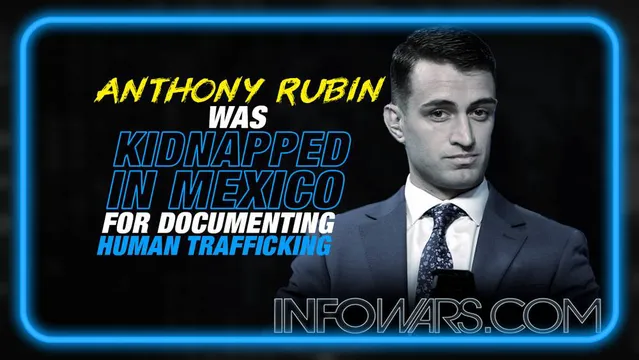
The narrative that border migration is a humanitarian effort is challenged by citing high rates of sexual assault reported by Amnesty International. Rubin argues that the UN and U.S. State Department are funneling vulnerable people directly into the hands of brutal narco-terrorists. The ultimate goal is described as the creation of managed anarchy to justify the imposition of a totalitarian state.