Topic: Media Ethics

8 chapters across the catalog

Russell Brand discusses his transition from a "man whore" lifestyle to a committed, monogamous marriage, describing the latter as spiritually superior. He addresses the media's role in his public perception, citing recent instances where the BBC was caught editing Donald Trump's speeches to change their meaning. Brand emphasizes that his past selfishness hurt people but maintains his innocence regarding criminal accusations.
Harrison Smith discusses the unique transparency of InfoWars, noting that on-air conversations mirror their private discussions. He mentions receiving numerous "off-the-record" calls from people afraid to speak publicly about the current political climate. Smith encourages whistleblowers to come forward directly rather than feeding secrets anonymously. He credits the audience for providing a platform that allows the hosts to bypass traditional corporate advertising constraints.

The recent internal conflicts are characterized as "Benedict Arnold" behavior driven by narcissism and a desire for attention. The network asserts that it has a responsibility to tell the truth about these "bad actors" to protect its audience. The hosts emphasize that they will not allow their identity or integrity to be stolen by those who manufacture events for personal gain.

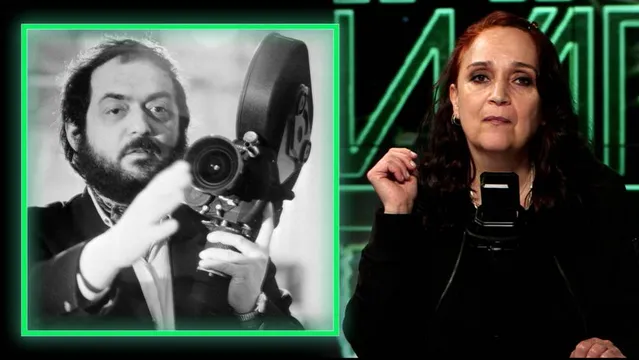
Daughter Of Stanley Kubrick Tells Never Before Heard Secrets And Exposes How To Save Humanity
7:15 - 11:12

Daughter Of Stanley Kubrick Tells Never Before Heard Secrets And Exposes How To Save Humanity

Moon Landing Conspiracy Theories, Stanley Kubrick, and Media Lies

Vivian Kubrick addresses long-standing conspiracy theories claiming her father helped NASA fake the moon landings, calling the allegations baseless. She argues that her father's anti-establishment nature and his busy production schedule during the late 1960s made such a collaboration impossible. Kubrick also criticizes the mainstream media for fabricating stories about celebrities and expresses solidarity with those she believes are unfairly targeted by journalists.

The segment references controversial past comments made by Cenk Uygur of The Young Turks regarding bestiality. These remarks are used to discredit Uygur and his media organization as degenerate and untrustworthy. The discussion frames the mainstream left-wing media as being led by individuals with deeply flawed moral compasses.

The hosts discuss the importance of hiring staff who are genuinely aligned with their mission to prevent infiltration by hostile actors. Alex Jones shares anecdotes about former employees who he claims were plants intended to manufacture scandals or leak false stories to the New York Times. They emphasize that the left views deception as a legitimate tool in their ideological warfare.

Owen Shroyer discusses the difference between InfoWars and mainstream media regarding factual errors. He explains that when a mistake is made on air, legitimate organizations should offer retractions when requested, rather than facing multi-trillion dollar lawsuits. Shroyer mentions a specific request for a retraction he received and his willingness to allow the aggrieved party to come on air to state the truth.

Using the metaphor of the unnamed person sitting behind Rosa Parks, Kate Dalley challenges listeners to be active participants in the fight for liberty rather than silent observers. She argues that if physicians and media professionals collectively refused to follow unethical orders or scripts, the current power structures would collapse. The segment emphasizes that small acts of sacrifice create the momentum necessary for national change.