Topic: Fbi Sources

4 chapters across the catalog

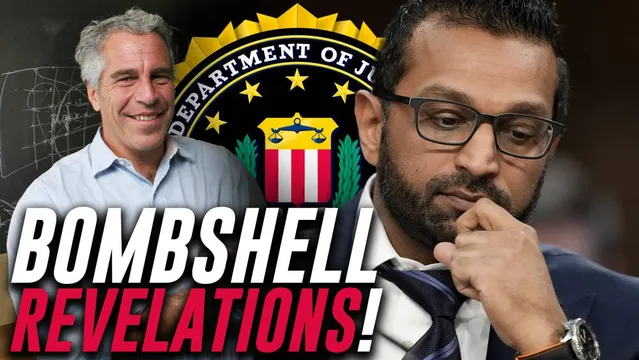
Former agents describe the use of Confidential Human Sources (CHS) and Undercover Employees (UCE) to groom targets into committing crimes, a practice referred to as the "terror factory." Internal culture at the FBI is described as increasingly ideological, with staff reportedly reacting with bias toward the Kyle Rittenhouse acquittal and the Ketanji Brown Jackson confirmation. The discussion suggests that field office personnel often use a subject's consumption of alternative media as derogatory information to open cases.
Ian Carroll joins the show to discuss a DOJ Inspector General report confirming the FBI had 26 confidential human sources in DC on January 6th. Carroll highlights that 13 of these sources entered the restricted area around the Capitol. He also notes that Twitter deleted Trump's tweets from that day which urged protesters to remain peaceful and respect law enforcement, suggesting a coordinated effort to frame the event as an insurrection.

Serafin prefers the term "administrative state" over "deep state" to describe the bureaucratic machinery controlling the government. He reveals that the FBI pays out approximately $40 million annually in cash to confidential sources, which allows for a lack of transparency and tax evasion. Serafin argues that the bureau is incentivized to manufacture "domestic terrorism" cases to justify its massive budget renewals.

Attorney Norm Pattis argues that there was no conspiracy among the Proud Boys on January 6, characterizing the event as a spontaneous riot fueled by an angry crowd. He reveals that the FBI had numerous confidential human sources embedded within the group who reported no plans for an attack. Pattis warns that the trial serves as a blueprint for future political prosecutions, including a potential indictment of Donald Trump.