• 1:07:54 - 1:11:07
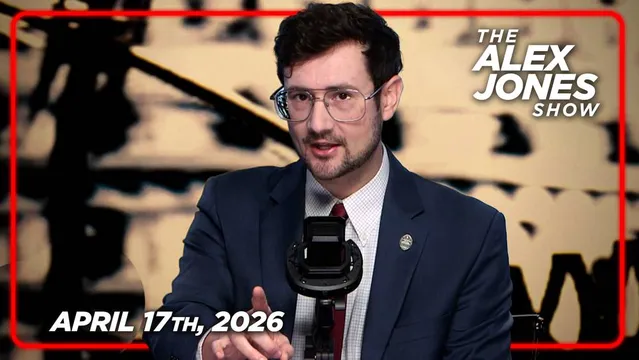
FRIDAY FULL SHOW: Iran Caves, Declares Strait of Hormuz “Completely Open” For All Commercial Ships, Trump Says Region Will “Never” Be Closed Again By Iranians & US Will Get All Nuclear Dust Without NATO’s Help! PLUS, Hunter Biden Flees US As Lawyers Seek MILLIONS! Marine Corps Vet & Former J6 Hostage, Zach Rehl, Breaks Down How The Deep State's Attempt To Prosecute Him & Others With False Testimony Has BLOWN UP In Their Face! FINALLY, In A Deep Dive Breakdown, Jay Dyer Reveals How The Elites Believe Luciferianism Is The Religion Of The Future! THIS IS MUST-WATCH/SHARE INFO! — 4/17/26
Pro Se Legal Strategy, Political vs Legal Angles
Zachary Rehl discusses his decision to represent himself after his attorneys were hesitant to aggressively pursue the witness recantation. He argues that highlighting the political nature of the prosecution was essential for securing either a dismissal or a pardon. Rehl describes the risk of going pro se and his ultimate success in getting the recanted testimony into the official court record.