Topic: Confidentiality

8 chapters across the catalog

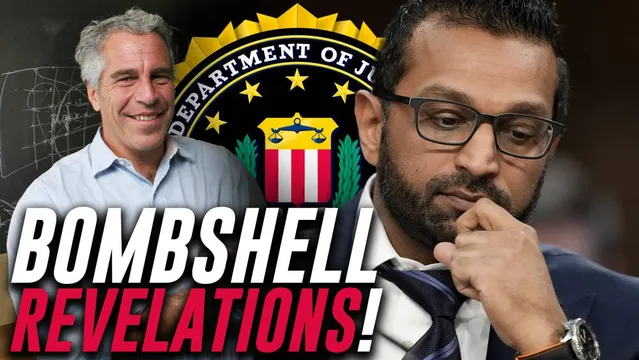
Alan Dershowitz claims that documents in the Epstein case are being willfully suppressed by judges to protect specific individuals, including both politicians and business leaders. While Dershowitz maintains his own innocence, he argues for total transparency and the release of all records to expose false accusers and perpetrators alike. He states he is currently bound by judicial confidentiality but knows the names of those being protected.
A clip of Joe Kent's testimony is played, where he alleges that the FBI and intelligence community were involved in planning and directing the January 6th riot through confidential human informants. Kent points to the Washington field office and Stephen D'Antuano, who previously oversaw the controversial Gretchen Whitmer kidnapping investigation in Michigan. Serafin notes that the FBI often uses "online undercover employees" to radicalize individuals before staging a takedown.

Former agents describe the use of Confidential Human Sources (CHS) and Undercover Employees (UCE) to groom targets into committing crimes, a practice referred to as the "terror factory." Internal culture at the FBI is described as increasingly ideological, with staff reportedly reacting with bias toward the Kyle Rittenhouse acquittal and the Ketanji Brown Jackson confirmation. The discussion suggests that field office personnel often use a subject's consumption of alternative media as derogatory information to open cases.

Ian Carroll joins the show to discuss a DOJ Inspector General report confirming the FBI had 26 confidential human sources in DC on January 6th. Carroll highlights that 13 of these sources entered the restricted area around the Capitol. He also notes that Twitter deleted Trump's tweets from that day which urged protesters to remain peaceful and respect law enforcement, suggesting a coordinated effort to frame the event as an insurrection.

Jay, a retired narcotics detective from New Mexico, suggests that Ryan Wesley Routh's extensive criminal record and subsequent releases indicate he is likely a federal confidential informant. He explains the process of "flipping" suspects and argues that Routh's ability to travel and possess weapons points to government protection.

Attorney Norm Pattis argues that there was no conspiracy among the Proud Boys on January 6, characterizing the event as a spontaneous riot fueled by an angry crowd. He reveals that the FBI had numerous confidential human sources embedded within the group who reported no plans for an attack. Pattis warns that the trial serves as a blueprint for future political prosecutions, including a potential indictment of Donald Trump.

The segment features footage of Senator Ted Cruz questioning FBI Executive Assistant Director Jill Sanborn. Cruz asks about the number of FBI agents or informants present on January 6 and specifically inquires about Ray Epps, who was filmed inciting the crowd but was later removed from the FBI's most-wanted list. Sanborn repeatedly declines to comment on specific sources, methods, or individuals, citing ongoing investigations.

Defense attorneys in the Governor Gretchen Whitmer kidnapping case argue that violent rhetoric used by the accused was satire and only escalated due to FBI confidential informants. Claims suggest the FBI orchestrated the plot to frame individuals and prepare for total war against the citizenry. Comparisons are made between the rhetoric used against Whitmer and similar jokes made about Donald Trump on late-night television.