Topic: Ukraine Peace Deal

16 chapters across the catalog

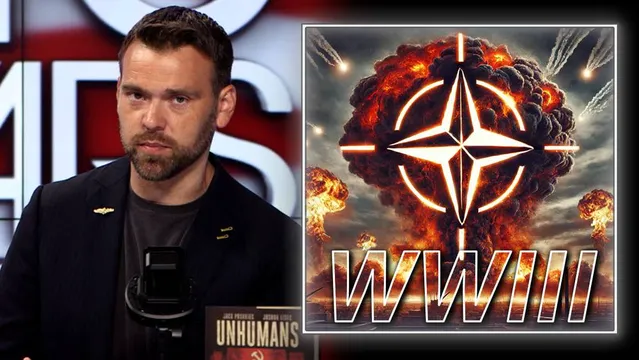
Volodymyr Zelensky and NATO are reportedly rejecting peace deals in favor of a treaty that would effectively bring Ukraine into the alliance. Claims suggest EU ministers view Donald Trump as a security threat and are actively attempting to sabotage future peace negotiations to provoke a direct war with Russia. This geopolitical shift is framed as a move toward total war by Western powers.

Analysis suggests that Russia has effectively won the war in Ukraine, leading to a negotiated capitulation facilitated by the Trump administration. The withdrawal of U.S. intelligence and funding has forced European leaders and Zelensky to accept terms that include neutrality and territorial concessions. This pragmatic approach is viewed as the only way to prevent further loss of life and the risk of global nuclear conflict.

Donald Trump describes a two-hour phone call with Vladimir Putin where he used an analogy of "two young children fighting in a park" to describe the Russia-Ukraine conflict. Trump suggests that sometimes parties must "fight for a little while" before they can be pulled apart. He expresses doubt about an immediate peace deal, noting the "great hatred" between the warring parties.

A global financial and spiritual realignment is described as taking place while the U.S. navigates potential peace deals with Iran and Ukraine. The surrender of the Houthi rebels is viewed as a sign that Iran may be ready to negotiate. Concerns remain regarding domestic unrest and the potential for "false flag" events to disrupt these diplomatic developments.

Volodymyr Zelensky reportedly issued a public apology to Donald Trump, signaling a willingness to work under the President's leadership to end the conflict in Ukraine. This development follows the United States pausing all military aid and Trump's claims that the war costs have reached $350 billion. Elon Musk expressed skepticism regarding the sincerity of the Ukrainian leader's commitment to peace.

Donald Trump is reportedly working on a major peace agreement for Ukraine, with negotiations involving leaders in Saudi Arabia. The administration aims to end the war quickly to prevent globalists from using it as a pretext for further escalation. Trump has publicly stated that Ukraine will not be joining NATO, removing a primary Russian grievance and paving the way for a diplomatic resolution.

Donald Trump is reportedly nearing a final peace agreement to end the Ukraine-Russia war, with negotiations resuming in Riyadh, Saudi Arabia. White House Press Secretary Caroline Leavitt indicated that a deal could be finalized within the week if Ukraine agrees to the framework. This momentum is described as a strategic move to dismantle the globalist order.

Donald Trump has initiated efforts to end the conflict in Ukraine 45 days before his official inauguration. Speaker Mike Johnson blocked $24 billion in additional funding to Ukraine, signaling that Trump is now in command of Republican policy. Trump reportedly pressured Volodymyr Zelensky to accept a peace deal before January 20, 2025, threatening a total cut-off of military and rebuilding aid if he refuses to negotiate with Russia.

Robert Barnes suggests that Joe Biden may be intentionally sabotaging Kamala Harris's campaign due to bitterness over being forced out of the race. The discussion posits that the "deep state" is rushing to secure a peace deal in Ukraine before a potential Trump victory exposes corruption and illicit research. Biden's recent public criticisms of Harris are viewed as evidence of internal fractures within the Democratic Party.

The host revisits the theory that globalists are "disengaging" and seeking an armistice in the Ukraine war due to Trump's lead in the polls. Jennings cites internal leaks and public shifts in rhetoric as evidence that the establishment is preparing for a potential Trump victory. He asks callers to weigh in on whether this is a genuine retreat or a strategic "feint."

Volodymyr Zelensky has signaled a willingness to reach a peace settlement within two months, suggesting Ukraine is running out of military-age men. This potential de-escalation conflicts with NATO's alleged desire to prolong the war through direct intervention. Meanwhile, Hungarian leader Viktor Orban has expressed hopelessness regarding the current NATO trajectory, even hinting at leaving the alliance.

Alex Jones opens the phone lines for first-time callers to discuss the "emergency broadcast" regarding Democrat plans for a military coup. He notes that Trump is expected to win the Iowa caucus by an unprecedented margin. The discussion also touches on Ukraine's reported calls for a peace deal with Russia as the global political landscape shifts.

NBC News reports that U.S. and European officials have begun discussing peace negotiations with Ukraine, suggesting the country may need to cede territory to Russia. In response to shifting American support, President Volodymyr Zelensky invited Donald Trump to Kiev to discuss his claim that he could end the war in 24 hours. Trump declined the invitation, while the White House maintains a public stance against a ceasefire.

Critics argue that a peace deal in Ukraine was possible if NATO had agreed not to expand, but instead, $115 billion in U.S. taxpayer money is being used to "bloody the killing fields." Celente reflects on his early career in the New York State Senate, describing it as a front-row seat to political corruption.

Reports from Foreign Affairs and Ukrainska Pravda suggest that a peace deal between Russia and Ukraine was nearly finalized in April 2022. The deal reportedly involved Russia withdrawing to pre-invasion positions in exchange for Ukrainian neutrality. However, Boris Johnson's surprise visit to Kyiv allegedly scuppered the negotiations, as he encouraged Zelenskyy to continue the war, leading to the current global energy and inflation crisis.