Topic: Probation

6 chapters across the catalog

Joe Biggs describes the psychological toll of his release, noting that he received a sentence commutation rather than a full pardon and remains on probation. He admits to suffering from severe PTSD, finding it difficult to be around crowds or trust the system. Biggs shares that he spent his first night at a party hiding in a bedroom because he did not yet feel "normal" or truly free.
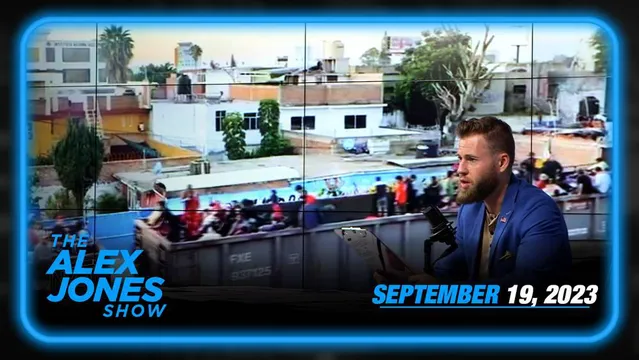
Owen Shroyer has officially filed a motion to appeal his recent sentencing and requested to remain on release during the process. Shroyer frames his case as a "test case" for speech imprisonment, warning that his incarceration for non-violent speech sets a dangerous precedent for all journalists. The segment also highlights the case of Stephen Horn, another journalist facing charges related to January 6, as evidence of a broader crackdown on independent media.

Owen Shroyer discusses the "awakening" of American churches to political and spiritual threats. He criticizes liberal denominations for promoting "non-binary sparkle goddesses" while praising traditional pastors for standing up against the "Satanic body." Shroyer mentions he is on "extreme probation" and restricted from traveling, highlighting the personal legal stakes of his work.

Archival footage shows Joe Biden in the Senate advocating for strict five-year mandatory minimum sentences for possession of crack cocaine. This is contrasted with the recent legal outcome for Hunter Biden, who is expected to receive probation rather than jail time for tax and gun charges. The segment highlights the disparity between Biden's historical "tough on crime" stance and his son's current legal treatment.

Reports from the D.C. jail describe January 6 defendants living in cells flooded with raw sewage and lacking running water. The host explains that his probation terms prevent him from speaking directly to these defendants. He warns the audience that such treatment is a precursor for anyone who refuses to submit to the current Democrat regime.

The callers ask about the differences between revocable and irrevocable trusts. Tyler Bennett explains that while a revocable living trust is excellent for avoiding probate, an irrevocable trust is necessary for true asset protection from creditors and the IRS. They also discuss the "AB Trust" or marital trust, which becomes irrevocable upon the death of a spouse to protect property for heirs.