

Topic: Pharmaceutical Advertising

3 chapters across the catalog

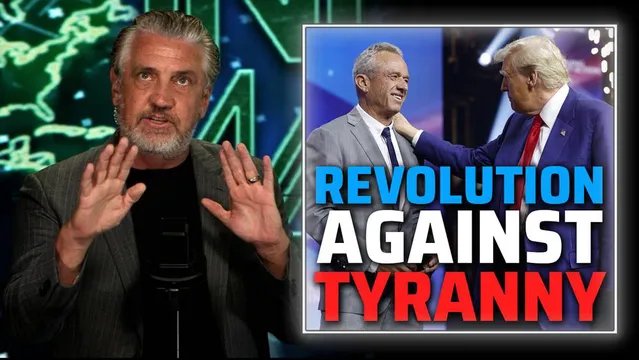
RFK Jr. highlights that the U.S. spends as much on mitochondrial disorders like diabetes as it does on the military budget. Jones argues that the removal of iodine from salt in the 1980s contributed to a national health crisis. He accuses the media of "malpractice" for failing to report on these issues due to heavy advertising revenue from pharmaceutical and food companies.
A proposal to end direct-to-consumer pharmaceutical marketing aims to break the industry's influence over news networks, where drug companies provide 50% to 70% of advertising revenue. This financial dependency is blamed for the lack of critical coverage regarding COVID-19 vaccine safety and transmission. Removing this funding source is presented as the only way to return news agencies to serving the public interest rather than corporate sponsors.

August 28th Emergency Broadcast! SPARS/Operation Lockstep Breaking News Update
1:00:10 - 1:04:29

August 28th Emergency Broadcast! SPARS/Operation Lockstep Breaking News Update

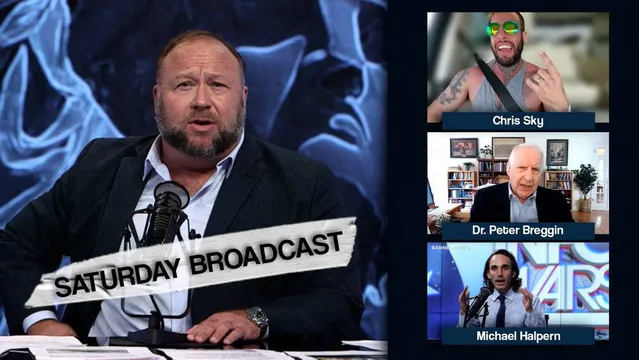
Psychology of Predatory Leadership and Media Capture

The discussion examines the psychology of predatory leaders who lack a conscience and seek God-like power through control. Dr. Breggin explains how the media is captured by pharmaceutical advertising, preventing critical reporting on drug safety. He shares an anecdote about how his own critical views on Prozac were suppressed by major TV networks due to their financial ties to Big Pharma.