Topic: Auto Tariffs

4 chapters across the catalog

Leavitt shares a personal anecdote about Melania Trump's long-term commitment to a foster child she met during her first term. She clarifies details of the UK trade deal, noting a 10% tariff rate for the first 100,000 imported vehicles. The briefing concludes with Leavitt mentioning that the President will be signing several executive orders later in the afternoon.
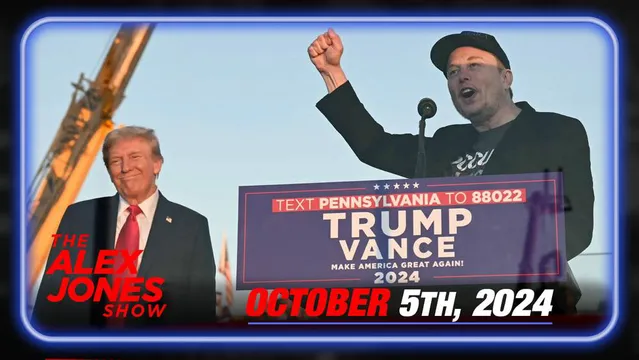
President Donald Trump Returns to Butler, Pennsylvania For Historic Rally 3 Months After Assassination Attempt
3:19:40 - 3:23:55

President Donald Trump Returns to Butler, Pennsylvania For Historic Rally 3 Months After Assassination Attempt

Manufacturing Renaissance, Reciprocal Trade Act

Donald Trump details his plan for a "manufacturing renaissance," including a 15% corporate tax rate for companies that make their products in America. He promises to use tariffs to protect domestic industries and proposes the Reciprocal Trade Act to match the taxes charged by foreign nations. Trump also expresses opposition to the sale of U.S. Steel to a Japanese company, vowing to keep the iconic firm under American ownership.

Corporate media outlets are accused of taking Donald Trump's "bloodbath" comment out of context. Trump used the term to describe the economic impact on the U.S. auto industry if 100% tariffs are not placed on Chinese cars manufactured in Mexico. Despite the economic context, media figures like Michael Beschloss have characterized the rhetoric as an endorsement of political violence.

Donald Trump addressed President Xi Jinping directly during a speech, vowing to impose a 100% tariff on every car coming across the Mexican border from Chinese-owned plants. He argued that these factories avoid hiring Americans while seeking tax-free access to the U.S. market. Trump reiterated that his "bloodbath" comment specifically referred to the total destruction of the domestic automobile manufacturing business if he is not elected to implement these protections.