Topic: Video Analysis

5 chapters across the catalog

The FBI's investigation into the J6 pipe bomber has remained cold for years despite increasing rewards to $500,000. Critics point out that the FBI deliberately degraded the surveillance video to one frame per second and altered the aspect ratio to prevent independent forensic analysis. This is viewed as part of a broader cover-up regarding the identity of the individual who placed the devices.

A second camera angle of the Minneapolis shooting confirms that the driver made a deliberate left turn to target an ICE officer. The officer is seen jumping back while firing, and the vehicle only swerves away after the driver is hit. This evidence contradicts media claims that the woman was simply trying to flee the scene. The analysis concludes that the driver weaponized the SUV in an attempt to murder the federal agent.

Nate Kornacki analyzes video footage from the Charlie Kirk shooting, noting the lack of immediate crowd reaction to the sound of the shot. He suggests the acoustics indicate a suppressed weapon or a smaller caliber rather than an unsuppressed .30-06. The possibility of a professional hit from a concealed location, such as a nearby room or stairwell, is explored as an alternative to the official lone-gunman narrative.

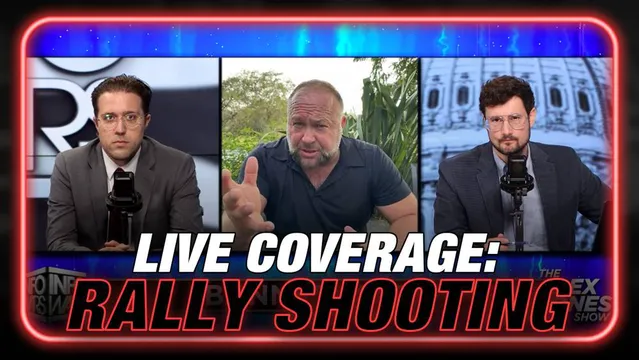
WATCH: Live Roundtable Analysis On Failed Assassination Attempt Of Donald Trump
10:16 - 12:38

WATCH: Live Roundtable Analysis On Failed Assassination Attempt Of Donald Trump

Video Analysis of Ballistics and Trump's Immediate Reaction

Analysis of rally footage shows Donald Trump touching his ear immediately after the first shots rang out before ducking behind the podium. Audio from the incident suggests a sequence of initial shots followed by return fire from Secret Service snipers. Observers noted that Trump's movement to his right just before the impact likely prevented a fatal head wound.