

Topic: Ricochet

5 chapters across the catalog

Sniper Dallas Alexander expresses extreme skepticism regarding the surgeon's claim that a 30-06 bullet stayed near the entry wound. Alexander describes internal ballistics as unpredictable but notes that the official narrative sounds more like "magic" than science given the caliber's power.
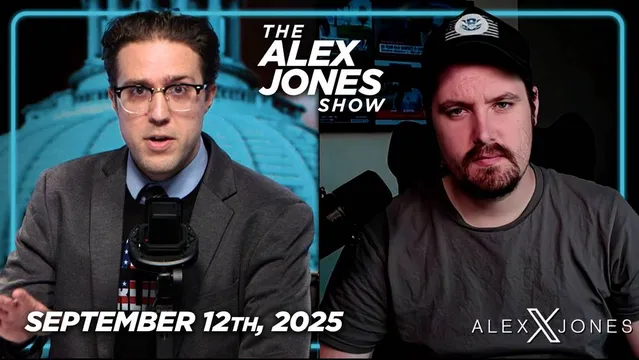
A caller from Arizona expresses deep skepticism about the official narrative, comparing Tyler Robinson to Lee Harvey Oswald and suggesting he is a "patsy." The caller questions how a shooter could jump off a roof with a large Mauser rifle and suggests a professional marksman may have fired from a different location. Chase Geiser defends his opinion but acknowledges the validity of questioning the massive security failure at the event.

A caller from North Carolina argues that a 30-06 Mauser would have been too loud and heavy for the rooftop escape depicted in surveillance videos. He suggests a smaller caliber round was used and that the "ricochet" theory is more likely. Chase Geiser counters that the "black spot" seen on Kirk's chest in videos was actually a lavalier microphone that popped off during the impact of a direct neck shot.

Kyle Serafin provides a technical analysis of the body armor Charlie Kirk was reportedly wearing, identifying it as "Level 2" low-visibility armor. He explains that while this armor stops handguns, a 30-06 rifle round would pass through it easily, potentially hiding the entry wound. Serafin disputes the "ricochet" theory, suggesting the video shows a direct hit with an exit wound in the neck that was "instantaneously not survivable."

Dallas Alexander explains the mechanics of how bullets interact with different materials, noting that 5.56 rounds typically dissipate energy or splatter upon impact. He reiterates that without an object between the shooter and Trump to cause a ricochet, the shrapnel claim is "absurd." Both Jones and Alexander agree that the media is using technical-sounding words to confuse the public about the event's severity.