• 18:26 - 22:01
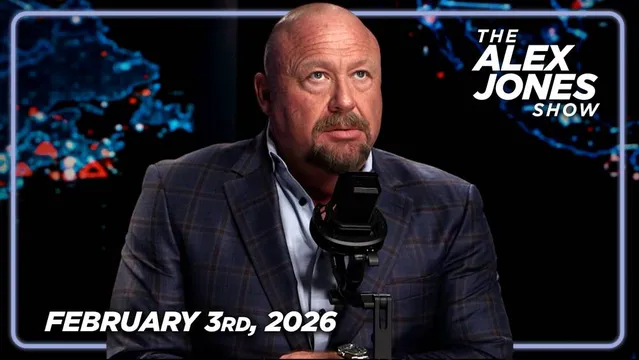
FULL TUESDAY TRANSMISSION: Alex Jones & Special Guests Reveal Bombshell After Bombshell Revelations Contained In The Massive Epstein File Release! Top Pizzagate/Wikileaks Expert- Liz Crokin- Reviews Jeffrey Epstein Emails Confirming Globalist Pedophile Rings Raping, Torturing, & Murdering Children! PLUS, Leftists Now Conscripting Children For Anti-ICE Riots In Every Major City! FINALLY, Former Political Prisoner Pete Santilli Joins Alex Jones To Break DOJ Insider Intel & Reveal That Ed Martin Was Fired By Democrat Party Operative Todd Blanche For Investigating A CIA Base Targeting The American People! This Is Must-Watch/Share Info! — 2/3/26
Ed Martin Removal, Todd Blanche, DOJ Weaponization Task Force
Ed Martin was removed from his position heading the government weaponization task force, a move attributed to Deputy Attorney General Todd Blanche. Critics label Blanche as "Bill Barr 2.0" and a Democrat operative who has blocked Martin's efforts to investigate federal agencies. The removal has caused a rift among Republican influencers, with some defending the decision while others view it as a betrayal of populist goals and a sign of deep-state infiltration within the Trump Justice Department.