

• 2:23:40 - 2:26:13
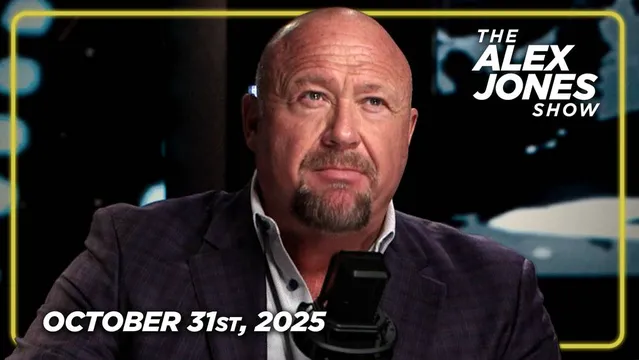
FRIDAY LIVE: Former Communications Director for RFK Jr, Del Bigtree, Joins The Alex Jones Show To Break Critical Intel On Bombshell Studies Linking Vaccines To Autism & Autoimmune Disorders! PLUS, US Strikes On Venezuela Are Only Days Away With Possible Land Invasion On Table! Trump Calls On Senate To Launch “Nuclear Option” To Override Shutdown As Nation Braces For Unrest When SNAP Benefits Run Dry! FINALLY, Larry Sanger, Founder & Original Editor Of Wikipedia, Joins The Alex Jones Show To Reveal How A Secret Cabal Of 62 Anonymous Deep Staters Runs His Former Company! — FULL SHOW 10/31/25
Larry Sanger on Wikipedia, Grokipedia and AI Scraping
Larry Sanger, co-founder of Wikipedia, joins the show to discuss the "de-evolution" of the platform into a tool for censorship. He addresses the launch of Elon Musk's Grokipedia, an AI-driven encyclopedia intended to challenge Wikipedia's dominance. Sanger also mentions his "Nine Theses" for reforming Wikipedia and his personal conversion story that recently went viral in Christian media.