• 18:27 - 22:07
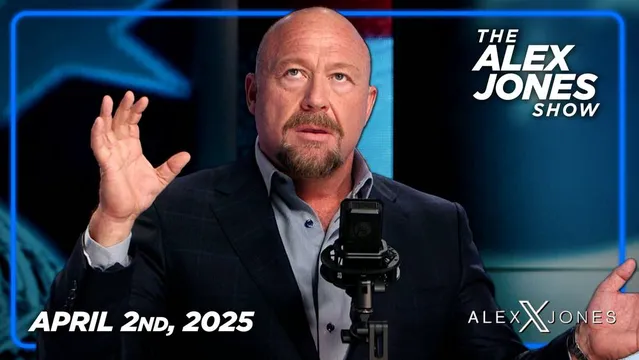
LIBERATION DAY COVERAGE: Markets Surge With Trump's Tariff Announcements, Elon Musk Considers Closing DOGE, & Russia Warns Of TOTAL Disaster If US Attacks Iran! Plus, SpaceX Completes First Human Orbit Of Planet’s Poles! This Is A Must-Watch/Share Transmission! — FULL SHOW 4/2/25
Leadership Philosophy, Grassroots Politics, Individual Sovereignty
True leadership is defined by doing what is right for the long term rather than following temporary popularity or media trends. The current political movement is described as a grassroots effort where individual citizens hold the ultimate power over the globalist establishment. Success depends on the public's access to knowledge and their willingness to engage in the "info war" to preserve freedom.