Topic: Fbi Investigation

38 chapters across the catalog

Kyle Serafin explains the nuances of federal polygraph examinations, which include "lifestyle" and "counterintelligence" (CI) components. He describes how examiners use physiological props to gauge a subject's truthfulness and look for contradictory statements during follow-up interviews. The fact that the investigation into the J6 pipe bomber was discontinued after a failed polygraph is highlighted as a major investigative anomaly.
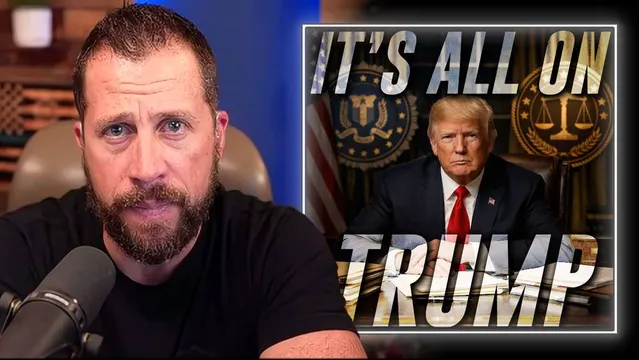
Kyle Serafin details a proposal he shared with Kash Patel's spokesperson, Erica Knight, regarding the formation of a specialized Epstein task force. The plan involves sequestering experienced agents specializing in white-collar fraud and transnational organized crime in a remote location like Idaho to review the files with fresh eyes. This strategy aims to move beyond PR messaging and conduct a legitimate RICO-style investigation into the trafficking network.

Kyle Serafin explains the technical process of how FBI agents document evidence in "serials," noting that every email in the Epstein dump should have an accompanying explanation of its relevance. He compares the current situation to his experience reading FISA intercepts of foreign spies, where context is vital to understanding intent. The lack of "deciphering" for the bizarre emails regarding "thinly sliced pizza" is highlighted as a major failure in the official document release.

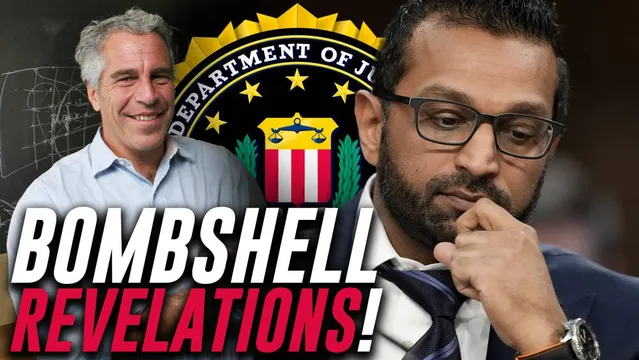
Kash Patel is reportedly leading an effort to investigate why the FBI and the Southern District of New York withheld tens of thousands of pages of documents related to the Epstein case. The investigation aims to produce a detailed report on the volume of evidence and the identities of those involved.

Retired Delta Force operator Mike Glover reports that a high-level CIA official contacted him regarding the FBI's refusal to cooperate in the Charlie Kirk assassination investigation. The CIA reportedly has proof of foreign involvement that was shut down within 48 hours of the event. This lack of cooperation is framed as a massive cover-up involving the same "intelligence nest" associated with the Clintons and the Obama administration.

Internal White House sources allege a cover-up regarding the murder of Charlie Kirk, with the FBI reportedly insisting on a "lone gunman" theory despite evidence of foreign involvement. Kash Patel is accused of screaming at officials to prevent the National Counterterrorism Center from investigating accomplices. Tulsi Gabbard's agency reportedly found evidence of international ties that the FBI is attempting to suppress.

Questions remain regarding the rapid organization of Charlie Kirk's memorial service in a Phoenix arena, which some skeptics find suspicious. While Candace Owens continues her independent investigation, the official narrative is criticized for having "more questions than answers." The segment concludes that healthy skepticism is essential for holding the government and law enforcement agencies accountable in high-profile murder cases.

Former FBI agent Kyle Serafim discusses the widespread distrust of federal investigations and the rise of citizen journalism on social media. Regarding the Charlie Kirk assassination case, Serafim warns that public speculation and the involvement of figures like Dan Bongino could jeopardize due process and taint jury pools. He explains that the legal system is intentionally slow to ensure fairness, contrasting it with the instant gratification of social media.

The Federal Bureau of Investigation and Central Intelligence Agency are described as fundamentally corrupted institutions that cannot be reformed from within. A proposal is made to totally abolish these three-letter agencies and rebuild them from scratch with entirely new staff and rigorous background checks. The argument posits that the FBI has transitioned from a legitimate law enforcement agency into a domestic intelligence apparatus used for political entrapment.

FBI agents are reportedly hesitant to investigate the 14 terabytes of data seized from Jeffrey Epstein's properties due to fear of retaliation from powerful figures. While officials like Pam Bondi and Ed Martin have pushed for transparency, the broader bureaucracy is accused of "washing its hands" of the matter by distributing files to local offices without clear mandates. There are concerns that the investigation into child abuse and elite blackmail is being suppressed by institutional cowardice.

The host and Roger Stone analyze a Fox News appearance by Cash Patel and Dan Bongino regarding the Trump assassination attempt. They critique the "body language" of the guests, suggesting they appeared uncomfortable defending the official finding that Thomas Matthew Crooks acted alone. Stone expresses disbelief that the FBI and Secret Service were unable to access the shooter's phone or computer.

The broadcast examines James Comey's history of alleged corruption, including leaking information and covering up files related to Jeffrey Epstein. A citizen-recorded cell phone clip from the July 2024 assassination attempt in Butler, Pennsylvania, is played to highlight the public's emotional reaction to political violence. Claims are made that the Secret Service and FBI were complicit in security failures during the event.

Undercover footage from Sound Investigations features FBI/CIA contractor Gavin Oblevis admitting that the agency targeted Alex Jones to bankrupt him. Oblevis explains that while no federal statutes were broken, the Bureau encouraged civil defamation suits as a "nudge" to silence the commentator. This coordination between intelligence agencies and private law firms is presented as the blueprint for modern political lawfare.

Undercover footage from Sound Investigations shows CIA/FBI contractor Gavin Oblenus admitting the agency was "after" Alex Jones to bankrupt him through civil litigation. Jones also identifies Berlin Rosen (now Orchestra) as the PR firm that managed the media outcome of the trials. He argues that these coordinated efforts between intelligence agencies, law firms, and PR companies constitute a blueprint for "cancel culture" and political persecution.

The FBI's Freedom of Information Act process is criticized for being designed to deny requests through extensive redactions and exemptions. Discussion centers on the "Domestic Investigation Operations Guide," which mandates that investigations into journalists, religious figures, and podcasters be designated as "Sensitive Investigative Matters" (SIM) to protect First Amendment rights. Claims are made that the FBI bypassed these protections when investigating independent media figures.

Serafin discusses the "opportunity cost" of the FBI investigating journalists and pro-life activists instead of cartels or terrorists. He references the "Domestic Investigation Operations Guide" (DIOG), which mandates additional protections for "Sensitive Investigative Matters" (SIM) involving media or religious figures. He questions why these protections were seemingly ignored in the host's case.

Owen Shroyer and Joe Pags agree that the FBI must issue a memorandum officially classifying swatting as a terrorist act. They discuss the need for local detectives to be assigned to every case and for immediate action to be taken against the perpetrators. Pags expresses frustration that he has had to wait over a week to sit down with the FBI despite the life-threatening nature of the incident.

A discussion of the FBI's origins under J. Edgar Hoover highlights a long history of the agency operating as an "entity unto itself." Whistleblowers argue that the current culture of the FBI is rooted in this legacy of lack of accountability. The Trump administration's goal is to dismantle this "New York mafia" structure and ensure that federal law enforcement remains subordinate to the elected executive.

Attorney General Pam Bondi has issued a formal letter to FBI Director Kash Patel ordering an immediate criminal investigation into the SDNY's failure to provide complete Epstein files. Bondi reveals she learned from a source that thousands of pages were withheld despite repeated assurances from the FBI. The letter demands the delivery of all records, including audio and video recordings, by 8 a.m. on February 28.