Topic: Department Of Commerce

6 chapters across the catalog

Trump and Kash Patel discuss moving FBI agents out of the massive headquarters in DC and back onto the streets. Trump rejects a plan to build a new multi-billion dollar headquarters in Maryland, opting instead to use a smaller Department of Commerce building in DC. He expresses a desire to clean up the capital city to impress visiting world leaders like Prime Minister Modi.
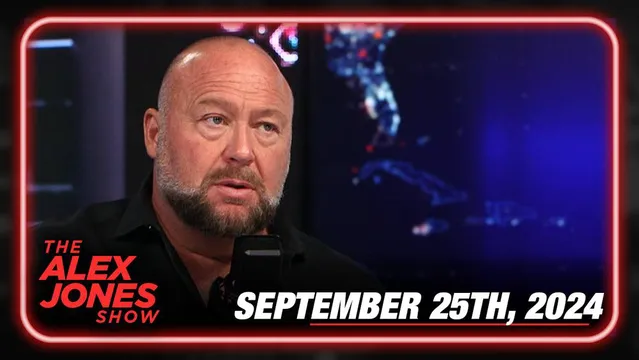
Commerce Secretary Gina Raimondo faces criticism for stating she has not been focused on the Hurricane Helene disaster during a press briefing. The federal government is accused of wasting $45 billion intended for rural wireless internet and $7.6 billion for EV charging stations, with reportedly zero internet connections and only a handful of chargers completed. Elon Musk and Starlink are highlighted as the primary communication providers for FEMA despite the lack of federal infrastructure.

Commerce Secretary Gina Raimondo is criticized for using the phrase "extinguish him for good" in reference to Donald Trump. Alex Jones argues that this rhetoric is dangerous and highlights Raimondo's previous errors regarding job statistics. He claims that the Biden administration is disconnected from the reality of the American workforce.

Secretary of Commerce Gina Raimondo claimed in an interview that she was unfamiliar with the Bureau of Labor Statistics despite it being a major component of her department's data ecosystem. She dismissed the massive 818,000 job revision as a "Trump talking point" rather than acknowledging the official government data. This lack of departmental knowledge is presented as evidence of incompetence within the administration.

A report by John Bowne examines the psychological impact of TikTok's algorithms on American teenagers, citing congressional testimony regarding self-harm challenges and data privacy. While the committee addresses these bipartisan concerns, the underlying Restrict Act authorizes the Secretary of Commerce to seize tech products and prosecute users. Legal analysts warn that the bill's broad language could lead to the prosecution of VPN users and the monitoring of private home security systems.

The Restrict Act grants the Department of Commerce unprecedented power to decide matters affecting any entity deemed a national security risk. This expansion of federal authority is linked to the hiring of 87,000 new IRS agents and the development of social credit systems through "smart choice" consumer apps. The legislative push is framed as a 360-degree power grab intended to drive the American population into total submission.