Topic: Country Music

5 chapters across the catalog

Alex Jones shares a personal anecdote about playing chess with Willie Nelson and confirming the story behind the song "Crazy." Nelson reportedly wrote the hit at a bar and sold it to Patsy Cline's husband for $40 to buy diapers for his children. Jones uses this story to express his love for human culture and creativity, contrasting it with the "anti-human" vision of globalists who want to replace human connection with artificial systems.
The Pentagon is reportedly shifting its advertising back to targeting white males with retro aesthetics to increase recruitment for potential conflicts. Owen Benjamin notes that recent commercials, such as those featuring Sydney Sweeney, emphasize traditional fertility and masculinity to appeal to men with high testosterone. This is viewed as a strategic reversal of previous "woke" social engineering efforts.

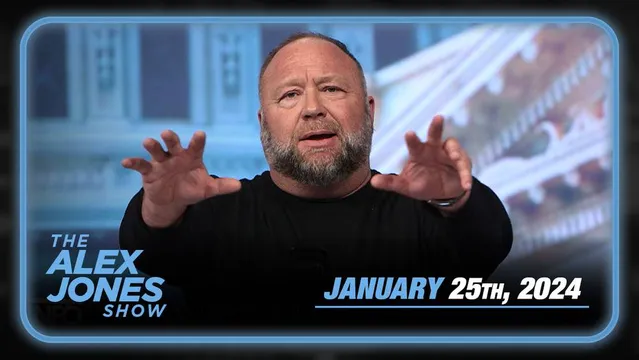
GLOBAL BOMBSHELL: Texas Rebellion Against Biden Tyranny Spreads To 25 States — FULL SHOW 1/25/24
1:53:57 - 1:59:04

GLOBAL BOMBSHELL: Texas Rebellion Against Biden Tyranny Spreads To 25 States — FULL SHOW 1/25/24

Cultural Silence, George Strait and Americana

Alex Jones critiques famous figures like George Strait for remaining politically silent while the country faces a crisis. He contrasts this with the vocal activism of Kid Rock and Ted Nugent. Jones argues that Americana and traditional culture are being destroyed, and that influential artists have a duty to speak up rather than simply "promoting Americana" while the nation is "being killed."

The lyrics of a country song about standing for one's principles are played to emphasize the importance of personal integrity. The message encourages listeners to be their own men and never compromise what is right, upholding their family name. This serves as a transition into the cultural and political battle for the future of the country.

The evolution of corporate propaganda is traced from simple environmental messages like "don't litter" to modern "grooming" agendas. The hosts note that country singers and bars are beginning to publicly distance themselves from Bud Light. They conclude that in a market full of "crappy beer" options, Bud Light is easily replaceable.