• 3:35:06 - 3:39:09
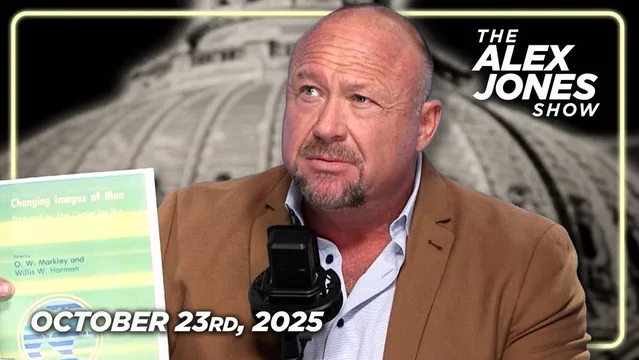
MUST-WATCH THURSDAY EDITION: 9th Circuit Hands Trump Sweeping Win Over Newsom — Trump Can Federalize California National Guard To Enforce Deportations! PLUS, After Directing The Deep State's Terror Campaign Against President Trump & The American People, Former Obama CIA Director John Brennan Now Claims He Is A Victim Of Political Persecution! FINALLY, Globalism Expert Jay Dyer Joins Alex Jones To Analyze A Rare Elite Political Science Textbook That Laid Out The Battle Plan To Enslave & Ultimately Exterminate Humanity By Channeling Off-World Entities! This Is Must-Watch/Share Information!
Inner and Outer Party, Fabian Socialism, H.G. Wells
The globalist structure mirrors George Orwell's "inner and outer party," where the outer circle consists of "useful idiots" who believe they are working for the common good. H.G. Wells' 1940 book "The New World Order" is cited, where he explicitly calls for a "world socialist democracy" and admits that many will die opposing its advent. This network continues to operate through propaganda and control of elite universities like Oxford.